
How Critical Care & Trauma Care Units Save Lives Every Day
What is Critical Care and Trauma Care Units?
Critical Care Units (CCUs), also known as Intensive Care Units (ICUs), are specialized hospital departments equipped to provide continuous care for patients with life-threatening illnesses or injuries. These units are staffed by highly trained critical care specialists, nurses, and support staff who work around the clock.
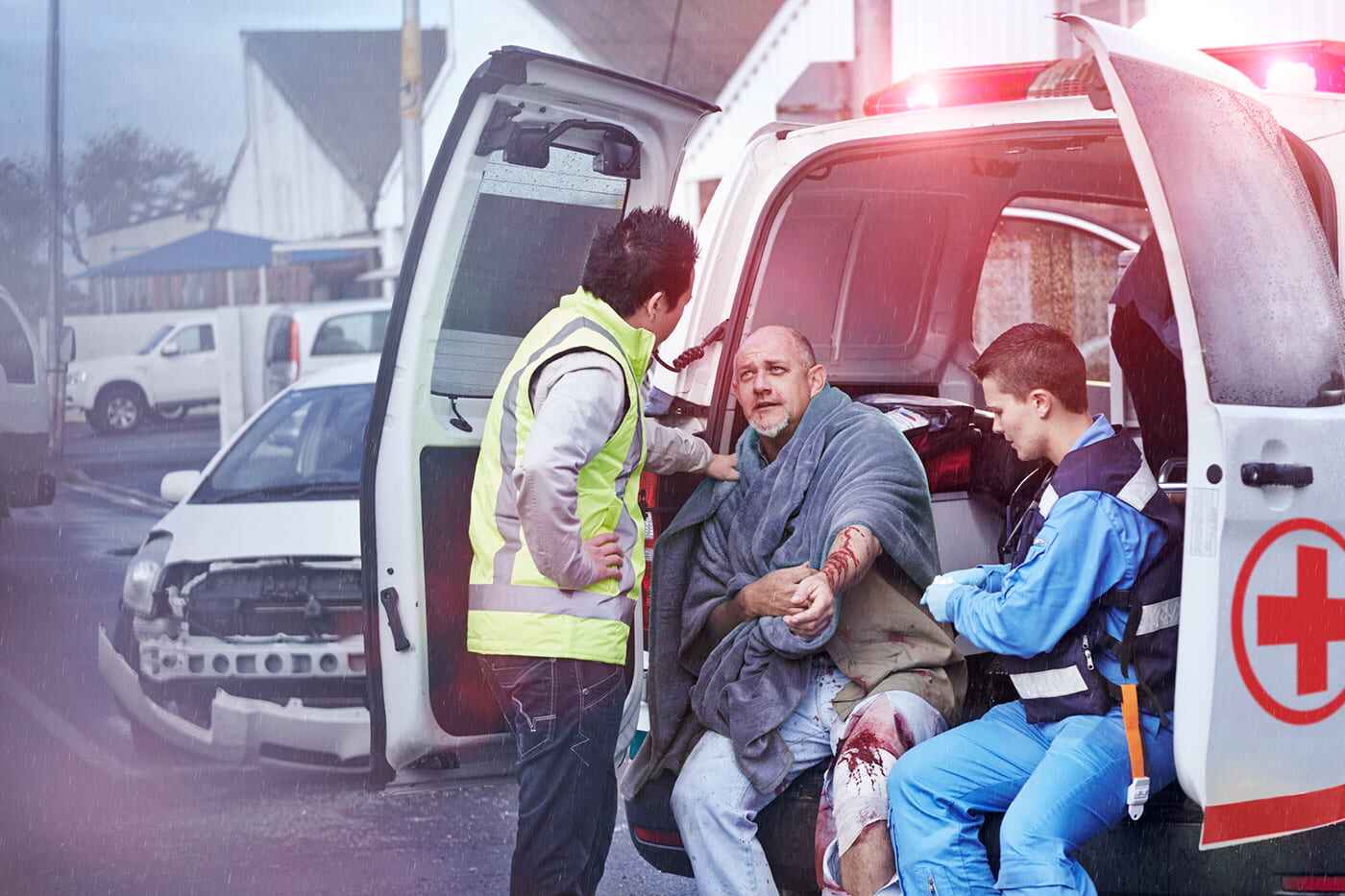
Trauma Care Units, on the other hand, are dedicated to managing patients who suffer from sudden physical injuries due to events such as road accidents, falls, assaults, or natural disasters. These units are often part of Level 1 Trauma Centers, where the most advanced and comprehensive trauma care is available.
In life-threatening situations, every second counts. Whether it’s a severe accident, a heart attack, or a sudden medical emergency, the first few moments of treatment can be the difference between life and death. That’s where Critical and Trauma Care Units play a vital role — acting as the frontline defense in medical emergencies.
Conditions Treated in Critical care (ICU)
Severe infections and sepsis
Cardiac arrest and heart failure
Respiratory failure
Post-operative complications
Multi-organ failure
The first few hours are crucial. Prompt ICU admission can dramatically improve a patient’s chances of survival and recovery.
Conditions Treated in Trauma Care
- Road traffic accidents
- Head and spinal injuries
- Fractures and internal bleeding
- Burns and blunt force trauma
- Penetrating wounds
Trauma centers are designed to quickly stabilize patients and coordinate with surgical, orthopedic, and critical care units for seamless treatment.
Why Are These Units So Important?
1. Immediate, Life-Saving Intervention
Time is crucial in emergencies. Critical and trauma care teams are trained to respond within minutes, stabilizing patients quickly and initiating advanced life-saving procedures like mechanical ventilation, cardiac support, or emergency surgery.
2. Advanced Monitoring & Technology
These units are equipped with cutting-edge diagnostic tools, ventilators, defibrillators, and patient monitoring systems. Constant monitoring allows early detection of any deterioration in a patient’s condition, leading to timely medical decisions.
3. Multidisciplinary Medical Expertise
Critical and trauma care involves coordination between various specialists — from emergency medicine doctors and anesthetists to neurosurgeons, orthopedic surgeons, and rehabilitation therapists. This team-based approach ensures comprehensive care.
4. Round-the-Clock Availability
Medical emergencies don’t follow a schedule. That’s why CCUs and trauma care units operate 24/7, ensuring immediate care is available at any hour.
5. Post-Stabilization Recovery Support
After the initial crisis is managed, patients in critical care often require extensive monitoring and rehabilitation. These units are designed to support recovery, prevent complications, and improve long-term outcomes.
How Pulse Hospital Delivers Exceptional Critical & Trauma Care
When it comes to emergencies, patients and families need more than just quick treatment — they need care they can trust. At Pulse Hospital, critical and trauma care is handled with a level of precision, compassion, and professionalism that truly sets it apart.
Here’s how Pulse Hospital ensures every patient receives the best possible emergency care:
1. Specialized Emergency Response Team
Pulse Hospital has a dedicated Emergency & Trauma Response Unit staffed by highly experienced doctors, critical care specialists, paramedics, and nurses trained to handle the most complex and urgent cases. The team is available 24/7 and follows streamlined protocols to ensure no time is lost in delivering life-saving treatment.
2. State-of-the-Art ICU & Trauma Facilities
The hospital is equipped with modern Intensive Care Units (ICUs) featuring advanced ventilators, real-time patient monitoring systems, and specialized beds to support recovery in high-risk cases. Its Trauma Care Unit is designed for immediate surgical intervention, trauma stabilization, and complex injury management.
3. Rapid Diagnosis & Treatment
Time is critical in trauma and ICU situations. Pulse Hospital uses cutting-edge diagnostic tools such as CT scans, MRIs, digital X-rays, and advanced pathology labs — ensuring patients are diagnosed accurately and treated without delay.
4. Multidisciplinary Medical Expertise
Pulse Hospital takes a team-based approach to critical care. From emergency physicians and anesthesiologists to orthopedic surgeons, neurosurgeons, cardiologists, and critical care nurses — each specialist plays a vital role in the patient’s recovery. This ensures comprehensive, coordinated care at every stage of treatment.
5. Patient-Centric & Family-Focused Care
Beyond clinical excellence, Pulse Hospital is known for its empathetic approach to healing. The staff keeps families informed at every stage, provides emotional support, and focuses on making patients feel safe, respected, and cared for — especially during difficult and uncertain times.
6. Post-Trauma Recovery & Rehabilitation
Healing doesn’t stop after the emergency is over. Pulse Hospital offers ongoing support and rehabilitation services to help patients regain strength, mobility, and confidence after critical or traumatic incidents. From physiotherapy to psychological support, every aspect of recovery is covered.
Why Choose Pulse Hospital for Emergency Care?
24×7 emergency services and trauma team on standby
Advanced ICU and trauma infrastructure
Experienced specialists in all emergency disciplines
Compassionate, family-centered approach
Proven track record of handling critical and complex cases successfully
📞 Book your consultation now and take the first step toward safer, faster recovery.
FAQs - Critical Care & Trauma Care
Trauma care focuses specifically on physical injuries from external forces, while regular emergency care handles a wider range of medical issues.
The five levels of trauma care categorize hospitals based on their trauma care capabilities:
Level 1: Comprehensive trauma center with 24/7 specialists
Level 2: Advanced trauma care but may lack certain specialties
Level 3: Emergency care with transfer protocols to higher-level centers
Level 4: Initial evaluation, stabilization, and transfer
Level 5: Basic emergency care with limited resources
Absolutely. The hospital has specialized care for children facing trauma or critical health issues.
A trauma management protocol is a step-by-step medical guideline followed by healthcare professionals to assess, stabilize, and treat trauma patients quickly. It includes primary and secondary surveys, imaging, resuscitation, surgical intervention if needed, and ongoing monitoring in a trauma or critical care unit.